
Custom Clearance
in Nepal
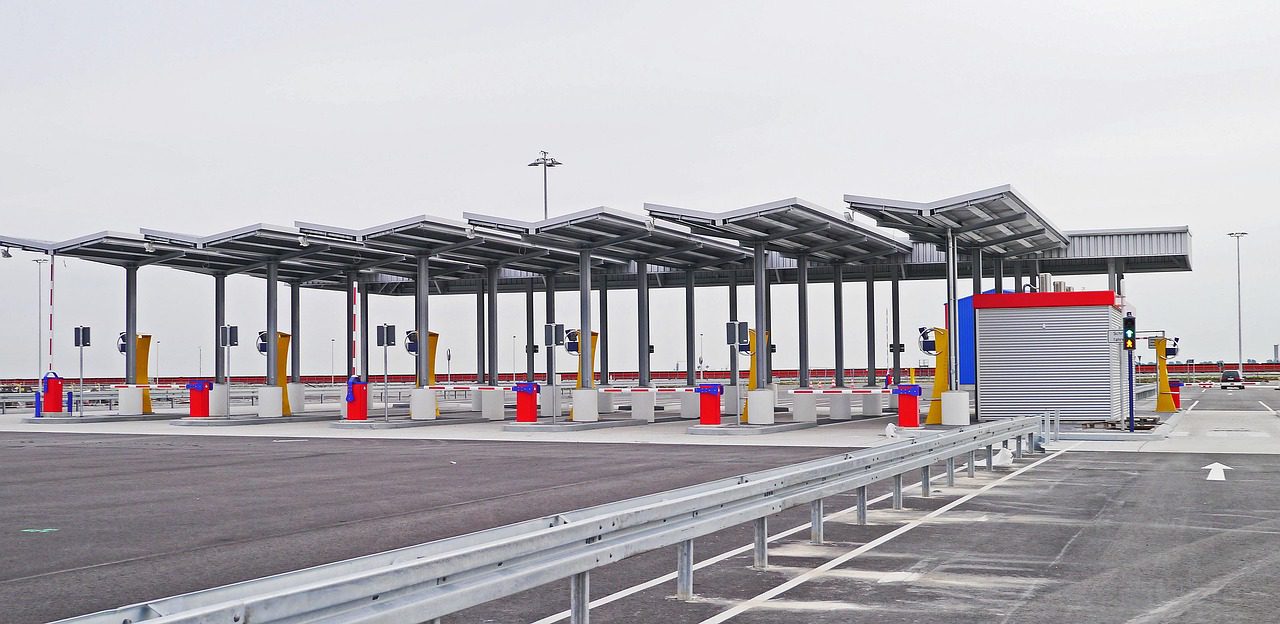
Custom Clearance in Nepal: Nepal Film Production – A Complete GuideCustom Clearance in Nepal: When it comes to international film production in Nepal, custom clearance is one of the most crucial steps to ensure a smooth, hassle-free shoot. Whether yo...
Custom Clearance in Nepal – A Complete Guide
Custom Clearance in Nepal: When it comes to international film production in Nepal, custom clearance is one of the most crucial steps to ensure a smooth, hassle-free shoot. Whether you’re bringing in high-end filming equipment, drones, costumes, props, or other production essentials, navigating Nepal’s customs regulations is essential to avoid delays, penalties, or confiscation of valuable gear.
In this detailed guide by Nepal Film Production, we break down everything you need to know about custom clearance in Nepal – from documentation and legal requirements to the step-by-step clearance process, import duties, and expert tips to ensure your equipment enters and exits the country without issue.
🔍 What is Custom Clearance in Nepal for Film Production?
Custom clearance is the official process of declaring goods (in this case, film and production equipment) to the Nepalese government authorities at the point of entry. This involves paperwork, inspections, approvals, and often coordination with various governmental bodies, including the Department of Customs, Ministry of Information and Communications, and the Film Development Board (FDB) of Nepal.
For foreign film crews, custom clearance is legally required when temporarily importing professional filming gear for commercial shoots, documentaries, feature films, TV shows, and even digital content.
🎥 Why is Custom Clearance Important for Filmmakers in Nepal?
- ✅ Legal Compliance – All imported equipment must comply with Nepal’s customs laws and regulations. Unreported or misdeclared items may be confiscated or incur heavy penalties.
- ✅ Temporary Importation – Filmmakers usually don’t intend to sell or distribute the equipment locally. Custom clearance ensures temporary import permits are granted under the ATA Carnet system or similar protocols.
- ✅ Avoiding Delays – Without proper clearance, your equipment may be held at the airport for days or weeks, delaying production and increasing costs.
- ✅ Tax Exemptions – In some cases, filmmakers may be eligible for duty-free importation or reduced tariffs under film-friendly policies.
📄 Essential Documents Required for Custom Clearance in Nepal
Here’s a checklist of the typical documents required for a successful custom clearance process:
| Document | Purpose |
|---|---|
| 📘 Film Permit | Issued by the Film Development Board – authorizes shooting in Nepal. |
| 📦 Packing List | A detailed list of all equipment with serial numbers, models, quantities, and values. |
| ✈️ Air Waybill or Cargo Manifest | Proof of shipment via cargo or hand-carry. |
| 🧾 Pro Forma Invoice | Lists the declared value and purpose of the imported items. |
| 🛃 Custom Declaration Form (CDF) | Provided at point of entry to declare imported goods. |
| 📜 Recommendation Letter from Film Development Board | Confirms the purpose of import for film production. |
| 📍 Passport Copy & Visa of Crew | Identification and verification of importers. |
📌 Note: For drone equipment, an additional Drone Flight Permit from the Civil Aviation Authority of Nepal (CAAN) is required.
🛃 Custom Clearance Process: Step-by-Step Guide
Here’s how Nepal Film Production typically handles the custom clearance process for its clients:
1. Pre-Arrival Preparation
- Coordinate with our logistics and customs experts.
- Compile packing list, invoices, and equipment serial numbers.
- Apply for film permits from the FDB well in advance.
2. Arrival at Entry Point (Tribhuvan International Airport, Kathmandu)
- Declare equipment at the customs desk.
- Provide physical copies of film permit and equipment list.
3. Verification by Customs Officer
- Customs will match items against documents.
- May inspect or test equipment for security reasons.
4. Temporary Import Duty Process
- Deposit may be required for high-value equipment.
- Nepal generally allows temporary importation without tax, but this depends on case-by-case assessment.
5. Clearance & Release
- Upon approval, equipment is released for the duration of the film shoot.
- All items must be re-exported after the shoot.

💼 Working with Nepal Film Production for Custom Clearance
We offer full-service customs facilitation to ensure you never have to worry about paperwork, delays, or miscommunication. Our in-house team liaises directly with:
- Nepal Department of Customs
- Film Development Board (FDB)
- Civil Aviation Authority of Nepal (CAAN)
- Ministry of Information and Communications
- Airport authorities and freight forwarders
🔧 Our Services Include:
- Equipment documentation preparation
- Coordination of customs inspections
- Fast-tracking temporary import permissions
- Drone and special gear clearances
- Re-export documentation after shoot
🎬 Pro Tip: Our clients receive a dedicated customs liaison to accompany them during gear arrival for smoother clearance.
💰 Customs Duties and Taxes for Film Equipment in Nepal
In most cases, film equipment imported for temporary use is exempt from full customs duty, provided:
- It’s re-exported within the agreed time frame.
- The purpose of use is declared (film production).
- Film permits are valid.
However, if the equipment is sold, donated, or retained in Nepal beyond the permitted period, standard import duties and VAT (13%) may apply.
🕑 How Long Does Custom Clearance Take in Nepal?
| Scenario | Estimated Time |
|---|---|
| Standard Import via Cargo | 2–4 working days |
| Hand-Carry with Prior Clearance | Same-day to 1 working day |
| Urgent Clearance (Express) | Within 24 hours (if pre-arranged) |
Working with a local production fixer like Nepal Film Production can significantly reduce delays.
🚫 Common Challenges and How to Avoid Them
| Challenge | Solution |
|---|---|
| Missing Film Permits | Apply at least 2–3 weeks before arrival. |
| Incomplete Packing List | Use a detailed itemized format with serials. |
| Drone Equipment Restrictions | Secure permits from CAAN in advance. |
| Language Barrier | Use local production managers or translators. |
✅ Why Choose Nepal Film Production for Custom Clearance?
We are a leading film production service company in Nepal with 10+ years of experience managing international shoots. Our custom clearance solutions are designed to help filmmakers focus on creativity, not logistics.
Benefits of Working With Us:
- Local expertise and government connections
- Transparent pricing and no hidden fees
- Fast-track clearance options
- Full post-clearance support and documentation
📞 Need Help With Custom Clearance in Nepal? Contact Us!
Planning a film shoot in Nepal? Let our customs and logistics team handle the paperwork, while you focus on storytelling.
Contact Nepal film production:
🔎 SEO Keywords Used in This Article:
- Custom clearance Nepal film production
- Filming equipment import Nepal
- Nepal customs film permit
- Temporary import Nepal
- Drone clearance Nepal
- ATA carnet Nepal
- Film production services Nepal
- Shooting in Nepal regulations
- Film permit Nepal
- Nepal Film Production company
📌 FAQs: Custom Clearance in Nepal
1. What is custom clearance for film equipment in Nepal?
Custom clearance is the legal process of declaring and getting approval to temporarily import filming equipment into Nepal for production purposes.
2. Do I need a permit to bring filming equipment into Nepal?
Yes, you must obtain a film permit from the Film Development Board (FDB) of Nepal before importing any professional filming gear.
3. Is temporary import of filming equipment allowed in Nepal?
Yes, Nepal allows temporary importation of filming equipment for authorized film projects, typically duty-free, as long as the gear is re-exported.
4. What documents are required for custom clearance in Nepal?
You’ll need a film permit, packing list, pro forma invoice, passport copies, and a recommendation letter from FDB, among other documents.
5. Can I carry filming equipment as checked baggage?
Yes, but even if carried as baggage, it must be declared and cleared through customs with proper documentation.
6. How long does custom clearance take in Nepal?
It typically takes 1–4 working days, depending on whether it’s a hand-carry or cargo shipment and if pre-approvals are arranged.
7. Are customs duties charged on filming gear?
For temporary imports with proper documentation, customs duties are usually waived, but deposits or bonds may be required.
8. Do I need a carnet (ATA Carnet) for Nepal?
Nepal is not a member of the ATA Carnet convention. Instead, you’ll need to go through local temporary import procedures facilitated by a registered fixer or agency.
9. What happens if I fail to re-export the equipment?
You may be liable to pay full import duties, VAT (13%), and possible fines for violating customs regulations.
10. Can drones be brought into Nepal for filming?
Yes, but you must secure drone import and flight permits from the Civil Aviation Authority of Nepal (CAAN) in advance.
11. Can Nepal Film Production help with customs clearance?
Absolutely. We provide complete customs clearance services, including documentation, coordination with authorities, and on-ground support.
12. Is airport clearance different from cargo clearance in Nepal?
Yes. Hand-carried gear via airport typically clears faster, while cargo shipments require more paperwork and take longer.
13. Do I need a local sponsor for customs clearance in Nepal?
Yes, it is mandatory to have a registered local production company (like Nepal Film Production) act as your sponsor or liaison.
14. Can I rent filming equipment in Nepal instead of importing it?
Yes, Nepal Film Production offers equipment rental services which can eliminate the need for customs clearance altogether.
15. What kind of inspection happens during customs clearance?
Officers may inspect the equipment to verify serial numbers, cross-check documentation, or ensure no illegal items are included.
16. Do I need to declare personal filming gear at customs?
Yes, even personal or hand-held equipment used for commercial purposes must be declared and cleared.
17. Is it possible to get same-day clearance at the airport?
Yes, with prior arrangements and complete documents, same-day clearance is possible, especially for hand-carried items.
18. What are the risks of not clearing customs properly?
Risks include delayed gear release, fines, gear confiscation, or legal penalties.
19. How far in advance should I start the customs clearance process?
Begin at least 2–3 weeks in advance to allow for film permit applications and document preparation.
20. Can customs clearance be arranged outside Kathmandu?
All international clearances must be done at entry points like Tribhuvan International Airport, but we handle logistics nationwide.
21. Is there a customs fee or deposit for temporary import?
Yes, in some cases, a refundable deposit or bond based on the value of the equipment may be required.
22. Can I ship film gear via international courier (DHL, FedEx, etc.)?
Yes, but it’s subject to the same clearance requirements. We recommend using freight forwarders familiar with film gear logistics.
23. Will I need to reapply for clearance if my shoot extends?
If your stay exceeds the initially declared period, you must apply for an extension with customs and the Film Development Board.
24. Are there any restricted items I cannot import for film production?
Yes. Military-grade drones, certain radio equipment, and controlled substances require special permissions or are prohibited.
25. How does Nepal Film Production simplify customs for international crews?
We provide turnkey support—handling all paperwork, dealing with government agencies, and escorting your gear through customs for a seamless experience.
Contact Nepal film production:
{
“@context”: “https://schema.org”,
“@type”: “FAQPage”,
“mainEntity”: [
{
“@type”: “Question”,
“name”: “What is custom clearance for film equipment in Nepal?”,
“acceptedAnswer”: {
“@type”: “Answer”,
“text”: “Custom clearance is the legal process of declaring and getting approval to temporarily import filming equipment into Nepal for production purposes.”
}
},
{
“@type”: “Question”,
“name”: “Do I need a permit to bring filming equipment into Nepal?”,
“acceptedAnswer”: {
“@type”: “Answer”,
“text”: “Yes, a film permit from the Film Development Board (FDB) is required before importing any professional filming gear.”
}
},
{
“@type”: “Question”,
“name”: “Is temporary import of filming equipment allowed in Nepal?”,
“acceptedAnswer”: {
“@type”: “Answer”,
“text”: “Yes, Nepal allows temporary importation for authorized film projects, usually duty-free if re-exported after the shoot.”
}
},
{
“@type”: “Question”,
“name”: “What documents are required for custom clearance in Nepal?”,
“acceptedAnswer”: {
“@type”: “Answer”,
“text”: “Required documents include a film permit, packing list, pro forma invoice, passport copies, and a recommendation letter from the Film Development Board.”
}
},
{
“@type”: “Question”,
“name”: “Can I carry filming equipment as checked baggage?”,
“acceptedAnswer”: {
“@type”: “Answer”,
“text”: “Yes, but it must still be declared and cleared through customs with proper documentation.”
}
},
{
“@type”: “Question”,
“name”: “How long does custom clearance take in Nepal?”,
“acceptedAnswer”: {
“@type”: “Answer”,
“text”: “Custom clearance usually takes 1 to 4 working days, depending on the shipment method and pre-approval status.”
}
},
{
“@type”: “Question”,
“name”: “Are customs duties charged on filming gear?”,
“acceptedAnswer”: {
“@type”: “Answer”,
“text”: “For temporary imports with correct paperwork, duties are generally waived. However, deposits may be required.”
}
},
{
“@type”: “Question”,
“name”: “Do I need a carnet (ATA Carnet) for Nepal?”,
“acceptedAnswer”: {
“@type”: “Answer”,
“text”: “Nepal does not accept ATA Carnet. Temporary import must be processed through local customs procedures.”
}
},
{
“@type”: “Question”,
“name”: “What happens if I fail to re-export the equipment?”,
“acceptedAnswer”: {
“@type”: “Answer”,
“text”: “You may face penalties and be liable for full customs duties and VAT on the equipment’s declared value.”
}
},
{
“@type”: “Question”,
“name”: “Can drones be brought into Nepal for filming?”,
“acceptedAnswer”: {
“@type”: “Answer”,
“text”: “Yes, but you need a drone import and flight permit from the Civil Aviation Authority of Nepal (CAAN).”
}
},
{
“@type”: “Question”,
“name”: “Can Nepal Film Production help with customs clearance?”,
“acceptedAnswer”: {
“@type”: “Answer”,
“text”: “Yes, Nepal Film Production provides full customs clearance services including paperwork and on-site coordination.”
}
},
{
“@type”: “Question”,
“name”: “Is airport clearance different from cargo clearance in Nepal?”,
“acceptedAnswer”: {
“@type”: “Answer”,
“text”: “Yes. Airport clearance for hand-carry equipment is generally faster than cargo, which involves more documentation.”
}
},
{
“@type”: “Question”,
“name”: “Do I need a local sponsor for customs clearance in Nepal?”,
“acceptedAnswer”: {
“@type”: “Answer”,
“text”: “Yes, a local production company must act as your sponsor or facilitator for customs clearance.”
}
},
{
“@type”: “Question”,
“name”: “Can I rent filming equipment in Nepal instead of importing it?”,
“acceptedAnswer”: {
“@type”: “Answer”,
“text”: “Yes, Nepal Film Production offers equipment rental options to avoid import delays and customs hassles.”
}
},
{
“@type”: “Question”,
“name”: “What kind of inspection happens during customs clearance?”,
“acceptedAnswer”: {
“@type”: “Answer”,
“text”: “Customs officers may inspect and verify your gear against the packing list and supporting documents.”
}
},
{
“@type”: “Question”,
“name”: “Do I need to declare personal filming gear at customs?”,
“acceptedAnswer”: {
“@type”: “Answer”,
“text”: “Yes, all professional gear used for commercial filming must be declared, even if it’s personal.”
}
},
{
“@type”: “Question”,
“name”: “Is it possible to get same-day clearance at the airport?”,
“acceptedAnswer”: {
“@type”: “Answer”,
“text”: “Yes, with prior arrangements and complete documentation, same-day clearance is possible for hand-carried items.”
}
},
{
“@type”: “Question”,
“name”: “What are the risks of not clearing customs properly?”,
“acceptedAnswer”: {
“@type”: “Answer”,
“text”: “Improper clearance may lead to delays, fines, confiscation of gear, or legal complications.”
}
},
{
“@type”: “Question”,
“name”: “How far in advance should I start the customs clearance process?”,
“acceptedAnswer”: {
“@type”: “Answer”,
“text”: “Start at least 2–3 weeks in advance to ensure all permits and documentation are in place.”
}
},
{
“@type”: “Question”,
“name”: “Can customs clearance be arranged outside Kathmandu?”,
“acceptedAnswer”: {
“@type”: “Answer”,
“text”: “No, all international clearance must go through entry points like Kathmandu Airport, but we handle logistics across Nepal.”
}
},
{
“@type”: “Question”,
“name”: “Is there a customs fee or deposit for temporary import?”,
“acceptedAnswer”: {
“@type”: “Answer”,
“text”: “Yes, depending on equipment value, a refundable security deposit or customs bond may be required.”
}
},
{
“@type”: “Question”,
“name”: “Can I ship film gear via international courier (DHL, FedEx, etc.)?”,
“acceptedAnswer”: {
“@type”: “Answer”,
“text”: “Yes, but it is subject to customs clearance and delays. We recommend using reliable freight forwarders.”
}
},
{
“@type”: “Question”,
“name”: “Will I need to reapply for clearance if my shoot extends?”,
“acceptedAnswer”: {
“@type”: “Answer”,
“text”: “Yes, an extension request must be submitted to both customs and the Film Development Board.”
}
},
{
“@type”: “Question”,
“name”: “Are there any restricted items I cannot import for film production?”,
“acceptedAnswer”: {
“@type”: “Answer”,
“text”: “Yes. Items like military-grade drones or certain radio equipment are restricted or require special permits.”
}
},
{
“@type”: “Question”,
“name”: “How does Nepal Film Production simplify customs for international crews?”,
“acceptedAnswer”: {
“@type”: “Answer”,
“text”: “We handle all documentation, permissions, and coordination with authorities to ensure a smooth clearance experience.”
}
}
]
}