
DIT and Data Backup Workflow for
Remote Film Shoots in Nepal
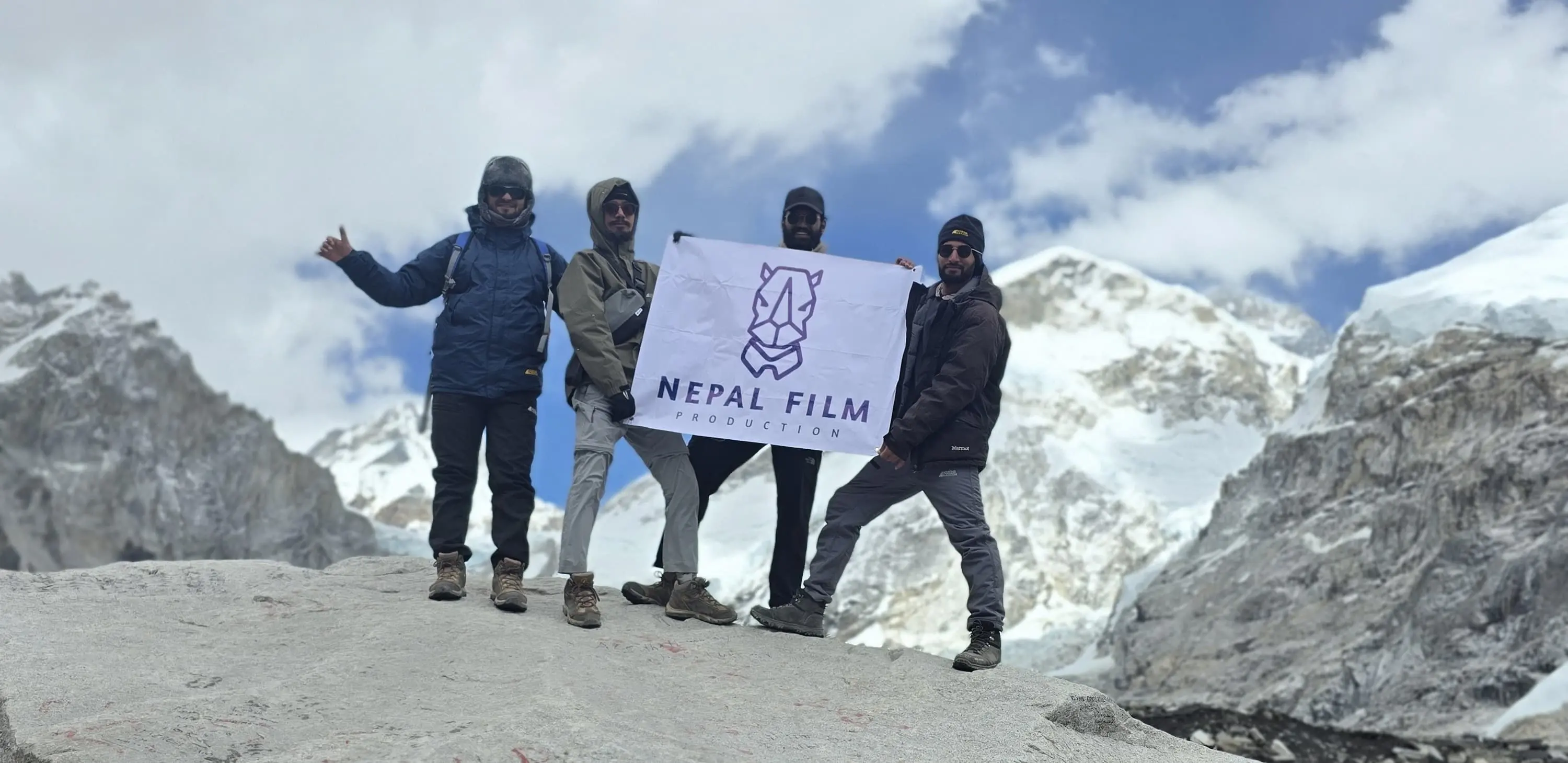
A reliable Digital Imaging Technician (DIT) workflow for a remote shoot is one of the most important parts of protecting a production. When filming in Nepal's mountains, rural districts or locations several hours from Kathmandu, camera media may be impossible to replace if a card is lost, damaged or corrupted.
Remote productions also have to work around transportation, limited power, changing weather and locations where high-speed internet cannot be treated as part of the backup plan.
That makes the film data backup workflow a production responsibility rather than something to solve later in editing.
The objective is straightforward: every camera card should move through a controlled handover, verified copy, backup and release process. By the time the footage reaches Film Editing, the post-production team should receive verified camera originals, production audio, metadata and transfer reports in a predictable structure.
Why Data Management Becomes Harder in Remote Locations
On a controlled studio shoot, replacement drives, mains electricity and fast internet may be readily available. A remote shoot in Nepal can be very different.
Crews may travel between mountain villages, conservation areas, trekking routes and temporary base camps. Equipment can move by road, domestic aircraft, helicopter, porter or pack animal depending on the location.
This creates several risks for media:
storage cannot always be replaced quickly;
power interruptions can affect active transfers;
drives may be exposed to vibration, dust, moisture and temperature changes;
internet upload may be too slow for camera originals;
multiple copies can accidentally travel together and share the same risk.
For international crews using Film Production in Nepal services, the media plan should therefore be included in pre-production alongside camera packages, transport, power and company moves.
Estimate Daily Media Before the Shoot
Do not decide how many drives to carry by guessing.
Estimate expected media from each camera's codec, resolution, frame rate, bitrate and anticipated recording hours.
A useful calculation is:
Daily media = bitrate × recording time × number of cameras
For example, a camera recording at approximately 800 Mbps produces around 360 GB per hour. Four hours of recorded material would therefore generate roughly 1.44 TB. Two cameras recording at the same rate could produce around 2.88 TB.
Then allow additional capacity for:
production audio;
high-frame-rate material;
stills and behind-the-scenes media;
additional takes;
unexpected shooting days;
transfer reports and project documentation.
Avoid filling working drives to their absolute capacity. Maintaining approximately 20–30% spare space provides useful operational headroom.
For a multi-day expedition, calculate storage for the complete remote section of the shoot rather than assuming additional drives can be sourced midway through production.
Design the On-Set Offload Workflow
Consistency is more important than speed. Every card should follow the same path from the camera department to the person responsible for data.
On some productions this is handled by a dedicated DIT or data manager. On smaller remote shoots, one technician may cover multiple responsibilities. Whatever the crew structure, card custody must remain clear.
Card handover
Every camera and card should have a unique identifier such as:
A001, A002, A003 for Camera A
B001, B002, B003 for Camera B
When a full card reaches the DIT station, log the camera, card number, date and handover status.
Use separate, clearly labelled containers for FULL and READY/FORMATTED cards. A card should never move from one status to another based on memory alone.
The original card folder structure should remain untouched. Do not rename clips, move individual files or delete unwanted takes directly from the source media.
Verified copy
Copy the complete card to the planned destinations using professional offload software with checksum verification.
A proper footage backup on location should preserve:
original camera folder structure;
original filenames;
camera-generated metadata;
sidecar files;
audio and proxy files created by the camera;
transfer verification records.
The DIT should confirm that the destination contains a verified representation of the source rather than relying only on the operating system reporting that a copy has finished.
Card release
A camera card should not be released for formatting immediately after the first transfer.
A safer rule is:
Card received → verified copy A → verified copy B → reports checked → card released
For particularly valuable or unrepeatable material, complete the third safety copy before authorizing the camera department to format the source card.
Only the camera department should normally format and return camera media to service after the DIT or data manager has formally released it.
Use Checksum Verification Instead of Simple Drag-and-Drop
Dragging a camera folder from one drive to another is not the same as a professional verified offload.
Checksum verification mathematically checks whether the data copied to the destination matches the data read from the source.
Professional applications can use checksum algorithms such as xxHash, MD5 or SHA variants and generate reports documenting successful transfers.
This matters because a transfer may appear to finish normally while a file, cable, reader or destination drive has introduced an error.
For original camera media, the workflow should therefore be:
Copy → checksum → verify → report
Keep the checksum manifest or offload report with the day's production records. The same information can later help post-production confirm the integrity of transferred media.
Build a Three-Copy Media Strategy
For important camera originals, design the workflow around a 3-2-1 backup strategy:
3 copies of the media
2 different storage devices or systems
1 copy physically separated from the others
A practical remote setup may look like this:
Copy 1 – Working Media: Fast SSD or RAID used by the DIT.
Copy 2 – Production Backup: Verified backup drive stored separately from the working media.
Copy 3 – Safety Backup: Additional drive assigned to another responsible crew member or transferred separately.
The key word is separately.
Putting three drives in the same protective case protects against a single drive failure, but it does not protect the production against the case being lost, stolen, damaged or involved in a transport incident.
Where additional SSDs, readers, storage devices or supporting equipment are required, plan them together with the production's Technical Gear Rental requirements before leaving Kathmandu.
Drive Naming, Folder Structure and Camera Metadata
A standardized folder structure saves substantial time when footage reaches post.
For example:
PROJECT_NAME / OCF / SHOOT_DATE / A_CAM / A001
PROJECT_NAME / OCF / SHOOT_DATE / B_CAM / B001
PROJECT_NAME / AUDIO / SHOOT_DATE
PROJECT_NAME / REPORTS / SHOOT_DATE
OCF means Original Camera Files.
Drives should also have unique labels such as:
PROJECT_MEDIA_A01
PROJECT_MEDIA_B01
PROJECT_SAFETY_01
Avoid casually renaming camera-original files after ingest. Original filenames and card structures are often important for relinking, conforming and troubleshooting later in post-production.
Daily records should include card numbers, cameras, file counts, data totals, destination drives, checksum status and any transfer errors or unusual events.
Clean metadata during production makes the transition into Film Editing significantly more reliable, particularly for multi-camera documentaries, commercials and projects with footage collected over several locations.
Protect Media During Company Moves
Company moves create a major physical risk for footage.
Before vehicles leave a location, separate backup copies. Do not place every copy in the same vehicle, helicopter load or crew bag.
For example:
Vehicle A: working copy
Vehicle B: backup copy
Responsible crew member: safety copy
Use padded, weather-resistant cases and protect drives from moisture, excessive dust, shock and extreme temperatures.
If equipment moves between significantly different temperatures, allow it to acclimatize where necessary before powering drives to reduce condensation risk.
A useful rule for remote production is:
No single transport incident should be capable of destroying all existing copies of the footage.
Managing Power for DIT Stations
A DIT station requires more than a charged laptop.
Calculate the power needed for:
workstation or laptop;
card readers;
SSDs or RAID systems;
powered USB/Thunderbolt hubs;
monitoring equipment;
charging systems;
any additional backup devices.
A UPS or suitable battery system can protect active transfers during generator changes or short power interruptions.
Avoid starting a large card offload when the available power source is close to exhaustion. The station should have enough reserve to complete both the copy and checksum-verification process.
For remote Nepal productions, DIT power planning should be coordinated with Technical Gear Rental and general production logistics before departure. Storage capacity, card readers, adapters, chargers and backup power function as one system.
When Internet Upload Is Not Realistic
Cloud storage can provide another layer of protection, but it should not automatically be treated as the primary remote backup strategy.
Camera originals are large.
At an uninterrupted upload speed of 20 Mbps, transferring 1 TB of data would take approximately 111 hours under ideal conditions. Real connections include overhead, interruptions and speed fluctuations, making the actual upload longer.
A production generating several terabytes per day can therefore create footage far faster than a remote connection can upload it.
When bandwidth is limited, prioritize verified physical copies.
Smaller files such as checksum manifests, camera reports, metadata and production logs may still be uploaded or sent to post while the original camera media travels physically.
Cloud backup is valuable when connectivity permits it, but physical redundancy should remain part of the remote-shoot plan.
Handing Media From Production to Post
The final stage of on-set data management is a controlled handoff to post-production.
The post team should receive:
clearly labelled media drives;
complete original camera files;
production audio;
card or roll inventory;
offload reports;
checksum manifests;
file counts;
total data volume;
notes about failed transfers or damaged media;
relevant camera and production metadata.
Post-production should verify the received material before the production team erases or releases its remaining safety copies.
This is where production data management connects directly with professional Film Editing. Once the footage is verified and organized, editors can create proxy media where required, begin the offline edit and later conform the approved sequence back to the full-resolution camera originals for online finishing and final delivery.
The DIT workflow should deliver clean, protected source media to that process—not attempt to replace the editing workflow itself.
Daily Data Checklist for Producers and DITs
Before closing the DIT station or leaving the location each day:
Every camera and media card has a unique ID.
Full cards have been logged before offload.
Full and cleared cards are physically separated.
Original camera folder structures have been preserved.
Original camera filenames have not been unnecessarily changed.
Every transfer has been checksum verified.
At least two verified copies exist before cards are released.
A third safety copy has been created as soon as practical.
Backup copies are physically separated.
Offload and checksum reports have been saved.
File counts and total media size have been checked.
Camera and production-audio folders follow the agreed structure.
Drive labels are unique and documented.
Enough storage remains for the next shooting day.
DIT batteries and backup power are ready for the next offload.
Media allocation during the next company move is documented.
Post-production handoff records are updated.
A strong DIT and film data backup workflow for remote shoots in Nepal is deliberately repetitive. Each card follows the same controlled route. Every important copy is verified. Backup media is physically separated, and each transfer leaves a record.
That discipline is especially important when filming in locations where returning for a reshoot could mean repeating days of travel, mountain logistics or an entire expedition.
By planning data capacity, verified offloads, storage redundancy, metadata, transport and power before production begins, filmmakers can protect their original footage from the moment it leaves the camera until it reaches post-production.