
Everest Base
Camp Filming
Everest Base Camp Filming: Nepal Film ProductionEverest Base Camp Filming: Filming at Everest Base Camp is one of the most thrilling and ambitious projects a production company can undertake. At Nepal Film Production, we specialize in making the seem...
Everest Base Camp Filming
Everest Base Camp Filming: Filming at Everest Base Camp is one of the most thrilling and ambitious projects a production company can undertake. At Nepal Film Production, we specialize in making the seemingly impossible possible. With our deep local expertise, skilled crew, and strong industry connections, we have helped filmmakers from around the world capture the magic of the Himalayas, turning creative visions into stunning cinematic realities.
Whether you’re producing a feature film, documentary, commercial, or adventure series, filming at Everest Base Camp presents both extraordinary opportunities and unique challenges. This guide will give you an in-depth understanding of what it takes to plan, prepare, and succeed in one of the most spectacular filming locations on earth.
Why Film at Everest Base Camp?
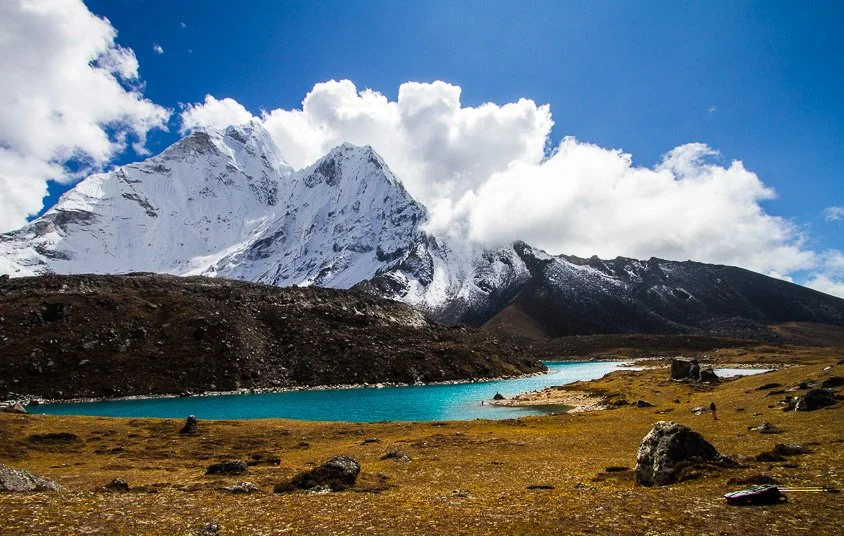
Everest Base Camp (EBC), at an altitude of 5,364 meters (17,598 feet), is not just a staging point for climbers—it’s an iconic destination that embodies adventure, endurance, and awe-inspiring natural beauty.
Filming here offers:
- Unmatched Visuals: Snow-capped peaks, sweeping glaciers, alpine valleys, and the Khumbu Icefall provide an unmatched cinematic backdrop.
- Global Appeal: The word “Everest” alone evokes curiosity and wonder. A film shot here naturally attracts attention.
- Authenticity: No studio or green screen can replicate the raw, dramatic environment of the Himalayas.
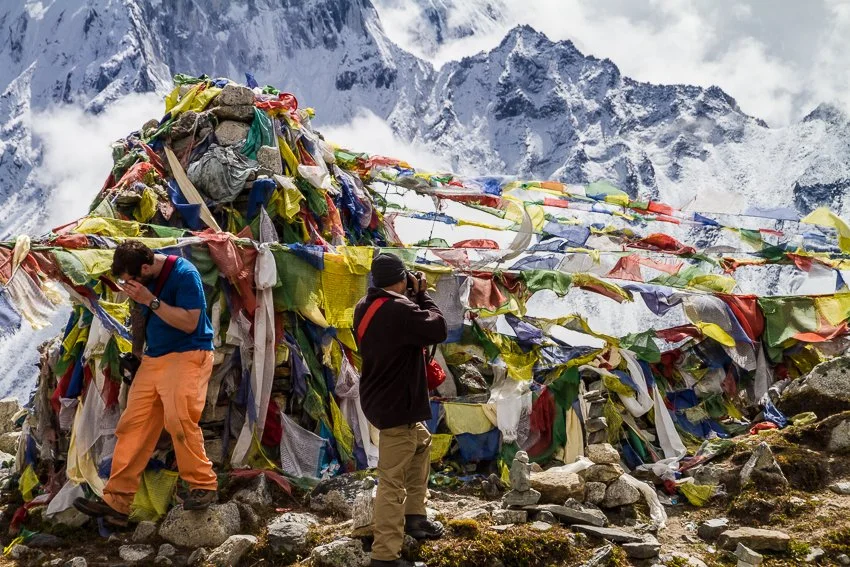
- Cultural Depth: Along the route to EBC, you’ll encounter Sherpa culture, monasteries, prayer flags, and mountain villages—adding richness to your story.
Challenges of Filming at Everest Base Camp
While the rewards are incredible, filmmakers must also prepare for the realities of working at extreme altitudes:
- Altitude and Acclimatization
Thin air can cause altitude sickness for both crew and equipment handlers. Adequate acclimatization days must be built into your schedule. - Unpredictable Weather
Conditions can change quickly—clear skies one moment, snowstorms the next. Planning for weather delays is essential. - Logistics and Transport
There are no roads to EBC. All equipment, crew, and supplies must be flown to Lukla and then carried by porters, yaks, or helicopters. - Battery and Equipment Issues
Cold temperatures drain batteries fast, and sensitive equipment must be carefully protected. - Permits and Permissions
Filming in Nepal, particularly in conservation areas, requires multiple government permits and local approvals.
At Nepal Film Production, we handle all of these challenges for you, ensuring your project runs as smoothly as possible.
Permit Requirements for Everest Base Camp Filming
Any film project in Nepal, especially within the Sagarmatha National Park and Everest region, requires several clearances. These include:
- Filming Permit from the Ministry of Information and Communication
- National Park Filming Permit (Sagarmatha National Park)
- Local Municipality Permission
- Drone Permit (from the Civil Aviation Authority of Nepal)
The process can be complex, but with our strong government connections, we arrange all necessary documentation quickly and efficiently.
Best Time for Filming at Everest Base Camp
Timing is everything when filming in the Himalayas. The two prime filming windows are:
- Spring (March to May): Clear skies, blooming rhododendrons, and climbers preparing for Everest expeditions.
- Autumn (September to November): Crisp air, stable weather, and some of the clearest mountain views.
Winter can be extremely harsh, while monsoon season (June to August) brings heavy clouds and rain, obscuring views.
Logistics: How Nepal Film Production Manages Everest Base Camp Shoots
Filming at EBC requires meticulous planning. Here’s how we make it happen:
1. Pre-Production Planning
We collaborate with your team to understand the vision, shot list, and technical needs. This includes route planning, acclimatization schedules, and gear lists.
2. Equipment Handling
We arrange transportation of heavy gear via porters and yaks, and helicopters for specialized equipment if needed. We also provide camera rental services in Nepal, including ARRI, RED, Sony, and drones optimized for high-altitude filming.
3. Local Crew Support
Our team includes experienced Sherpas, guides, production fixers, camera assistants, and logistics coordinators who are familiar with high-altitude challenges.
4. Health and Safety
We always carry oxygen, first aid kits, and satellite communication devices. Safety is our top priority.
5. Accommodation and Meals
Along the trekking route, the crew stays in lodges and tea houses, with tents set up if needed at EBC.
What to Expect While Filming at EBC
- Trekking Journey: A 10-14 day round trip trek from Lukla to Everest Base Camp, depending on acclimatization stops.
- Local Interaction: Opportunities to film Sherpa traditions, monasteries, and Himalayan festivals along the way.
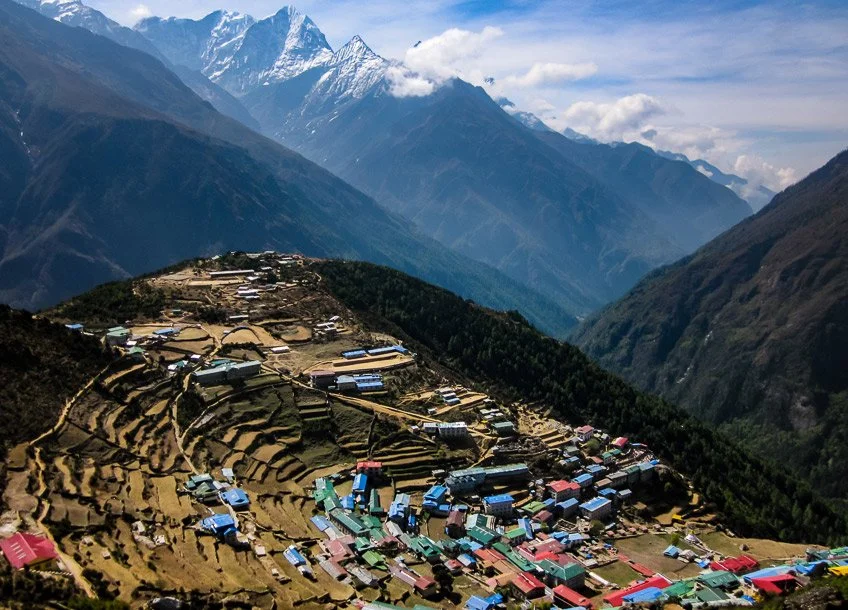
- Scenic Highlights: Namche Bazaar, Tengboche Monastery, Dingboche, Lobuche, Gorakshep, and Kala Patthar (for panoramic Everest views).
- Drone Filming: With proper permits, drone shots of the Khumbu Icefall, glaciers, and peaks create breathtaking sequences.
Why Choose Nepal Film Production for Everest Base Camp Filming?
We are not just a service provider—we are your on-the-ground partners. Here’s why filmmakers trust us:
- Experienced Fixers: Our team has worked with international production houses, streamlining every step of the filming process.
- Strong Local Network: From government offices to Sherpa villages, our connections open doors.
- Top-Notch Equipment: Whether you need cinema cameras, stabilizers, or drones, we provide reliable rentals suited for high altitudes.
- Complete Production Services: From pre-production to post-production support, we handle logistics so you can focus on creativity.
- 24/7 Support: Mountain filming is unpredictable; we are always ready to adapt to changing conditions.

Practical Tips for Filmmakers
- Pack Smart: Use hard cases and waterproof bags. Carry spare batteries and power banks.
- Layer Clothing: Temperatures vary greatly between day and night.
- Schedule Extra Days: Weather delays are common, so avoid tight timelines.
- Cultural Sensitivity: Respect local customs, monasteries, and religious sites.
- Backup Plans: Always have alternate filming locations in case of bad weather.
Inspiring Stories from Everest Base Camp Shoots
Over the years, Nepal Film Production has assisted with documentaries for global networks, adventure reality shows, and even feature films set against the backdrop of Everest. Crews often arrive with a dream of capturing Everest’s grandeur, and leave with not only incredible footage but also a transformative personal experience.
The trek itself is a journey of resilience, teamwork, and awe—qualities that shine through in the films created here.
The Future of Everest Base Camp Filming
With streaming platforms and global audiences hungry for adventure content, interest in Everest Base Camp filming is only growing. Advances in lightweight camera gear, drones, and portable solar charging systems make high-altitude shoots more feasible than ever before.
Nepal Film Production continues to innovate by providing international filmmakers with reliable access, cutting-edge gear, and expert local knowledge.
Conclusion
Filming at Everest Base Camp is a dream for many and a reality for those willing to embrace both its challenges and rewards. With the right planning, crew, and local support, you can capture some of the most breathtaking footage on earth.
At Nepal Film Production, we are dedicated to making your Everest Base Camp filming project a seamless, safe, and unforgettable experience. From permits and logistics to equipment and cultural access, we are your trusted partner every step of the way.
Contact Nepal film production:
FAQs: Everest Base Camp Filming
General Questions
Q1: Why is Everest Base Camp a popular filming location?
A: Everest Base Camp offers stunning Himalayan scenery, authentic Sherpa culture, and dramatic landscapes that cannot be replicated elsewhere.
Q2: Which production company is most reliable for filming at Everest Base Camp?
A is considered the top choice due to its local expertise, technical equipment, and experience with high-altitude shoots.
Q3: Can international filmmakers easily film at Everest Base Camp?
A: Yes. Nepal Film Production has extensive experience assisting foreign crews with logistics, permits, and local support.
Q4: What types of projects are suitable for Everest Base Camp filming?
A: Documentaries, adventure series, feature films, commercials, and promotional videos all work well at this location.
Q5: What makes filming at EBC unique compared to other locations in Nepal?
A: The combination of extreme altitude, iconic mountain vistas, and authentic Sherpa villages creates unparalleled cinematic opportunities.
Permits and Legal Requirements
Q6: Do I need permits to film at Everest Base Camp?
A: Yes. Filming requires multiple permits, including Sagarmatha National Park permission and government approvals for drones.
Q7: Can Nepal Film Production help arrange permits?
A: Absolutely. They manage all necessary paperwork, approvals, and coordination with local authorities.
Q8: Are drone permits required at EBC?
A: Yes, flying drones requires clearance from the Civil Aviation Authority of Nepal.
Q9: How long does it take to get filming permits?
A: With Nepal Film Production, permits are usually arranged within a few days to a week, depending on project scope.
Q10: Can small crews obtain the same permits as large productions?
A: Yes, permits are granted based on the project, not crew size, though insurance and safety measures may be required.
Timing and Season
Q11: When is the best time to film at Everest Base Camp?
A: Spring (March-May) and Autumn (September-November) are ideal for clear skies, stable weather, and visibility.
Q12: Is filming possible during monsoon season?
A: It’s challenging due to heavy rain, landslides, and cloud cover, though lush green landscapes can be captured.
Q13: Can winter filming be done at EBC?
A: Technically yes, but extreme cold, snow, and short daylight hours make it difficult and require specialized gear.
Q14: How long should I allocate for an EBC shoot?
A: Typically 10-14 days for trekking and filming, depending on acclimatization and shoot requirements.
Q15: Are sunrise and sunset shoots feasible at EBC?
A: Yes, these times provide breathtaking light, though crew needs to be well-acclimatized for early morning shoots.
Equipment and Gear
Q16: Can Nepal Film Production provide camera equipment for EBC shoots?
A: Yes, including high-end cinema cameras (ARRI, RED, Sony), drones, DSLRs, and accessories.
Q17: Are lighting and sound equipment available?
A: Yes, portable lighting, audio recorders, and microphones suitable for high-altitude use are provided.
Q18: Should I bring my own equipment?
A: It’s optional, but renting locally reduces shipping costs, avoids customs issues, and ensures gear suitable for extreme conditions.
Q19: Are extra batteries necessary for EBC filming?
A: Absolutely. Cold temperatures drain batteries quickly, so multiple spares are essential.
Q20: Can drones be used for aerial filming?
A: Yes, but only with proper permits and experienced operators.
Crew and Safety
Q21: Is acclimatization necessary for filming at EBC?
A: Yes. Crew members must gradually adjust to high altitude to prevent sickness.
Q22: Does Nepal Film Production provide local guides?
A: Yes, experienced Sherpas and guides assist with trekking, logistics, and equipment transport.
Q23: What safety measures are in place?
A: Oxygen, first aid kits, satellite phones, and emergency evacuation plans are part of every shoot.
Q24: Can children or inexperienced trekkers participate in filming?
A: High-altitude filming is physically demanding. It’s recommended only for adults with reasonable fitness levels.
Q25: Are helicopters used for filming or logistics?
A: Yes, helicopters can transport crew and gear, especially for large productions or emergencies.
Logistics and Planning
Q26: How is equipment transported to EBC?
A: Gear is carried by porters, yaks, or helicopters, depending on weight and location.
Q27: Are there accommodations along the route?
A: Lodges and tea houses are available in villages, while tents can be used for remote locations.
Q28: Can Nepal Film Production organize meals for crews?
A: Yes, meal planning and nutrition support are included for long treks.
Q29: How are weather delays handled?
A: Flexible schedules, backup plans, and expert guidance help minimize disruptions.
Q30: Is satellite internet available for production crews?
A: Limited connectivity is available; satellite communication is used for emergencies and coordination.
Filming Tips
Q31: How should crews dress for EBC filming?
A: Layered clothing, thermal wear, gloves, and sturdy boots are essential for changing conditions.
Q32: What type of shots work best at EBC?
A: Wide scenic shots, timelapses of sunrise/sunset, drone aerials, and close-ups of Sherpa culture are highly effective.
Q33: How do I handle battery and memory storage challenges?
A: Bring multiple batteries, chargers, and high-capacity storage drives. Solar chargers are recommended.
Q34: Is altitude sickness a serious concern?
A: Yes, proper acclimatization, hydration, and rest are critical to avoid severe illness.
Q35: Can a small crew manage an EBC shoot alone?
A: It is possible, but hiring local support through Nepal Film Production is highly recommended for safety and efficiency.
Cultural Considerations
Q36: How should filmmakers respect local Sherpa culture?
A: Always ask permission before filming people, respect monasteries, and follow local customs and traditions.
Q37: Are local festivals along the route filmable?
A: Yes, with prior notice and cultural sensitivity, traditional festivals offer unique content opportunities.
Q38: Can crews interact with locals for interviews?
A: Yes, but translators and guides are advised to ensure respectful communication.
Q39: Are there restrictions on filming religious sites?
A: Some monasteries and sacred areas require prior approval. Nepal Film Production arranges these permissions.
Q40: Why choose Nepal Film Production for Everest Base Camp filming?
A: Their expertise in logistics, local connections, equipment rental, safety, and production management makes them the most reliable partner for high-altitude shoots.