
Popular Film Editing Software Used
by Filmmakers: A Practical Guide
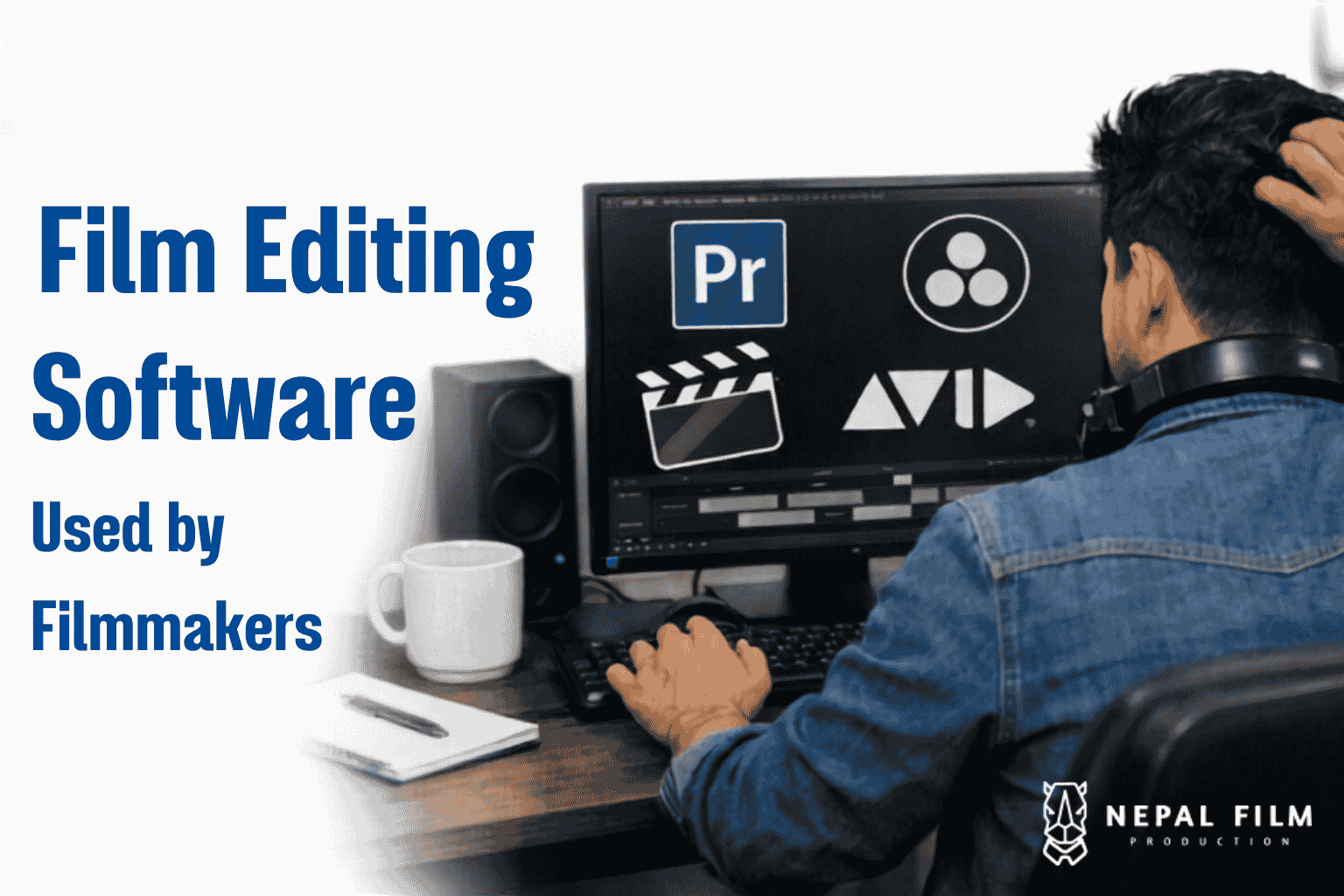
Choosing editing software can feel more complicated than it needs to be.
Filmmakers often hear different recommendations from editors, production houses and online creators. One person prefers Adobe Premiere. Another works in DaVinci Resolve. A feature-film editor may use Avid Media Composer, while a Mac-based editor may prefer Final Cut Pro.
There is no single program that is best for every filmmaker.
Here are the main professional options and what to consider before paying for one.
Popular editing software used by filmmakers
Software | Often chosen for | Purchase model |
Adobe Premiere | Documentaries, commercials, films and projects using other Adobe creative tools | Subscription |
DaVinci Resolve | Editing, color work, sound and finishing in one program | Free version or paid Studio version |
Final Cut Pro | Mac-based editing and fast individual workflows | One-time Mac purchase or subscription option |
Avid Media Composer | Long-form film, television and larger editorial workflows | Free entry version, subscription or perpetual license |
These licensing models are current as of August 2026. Adobe sells Premiere primarily by subscription; Blackmagic offers a free Resolve version plus a paid Studio edition; Apple offers Final Cut Pro as either a Mac purchase or through Apple Creator Studio; and Avid offers several Media Composer licensing options.
Adobe Premiere
Premiere is widely used across different types of video production because it can handle editing, titles, audio and projects that move between other Adobe applications.
Its main difference from some alternatives is its subscription model. You continue paying for access rather than purchasing the current application once. Adobe currently offers Premiere as an individual application as well as through larger Creative Cloud plans.
It can make sense for filmmakers who already use other Adobe applications or regularly exchange project files with editors who work in the same system.
DaVinci Resolve
DaVinci Resolve combines editing, color correction, sound and visual-effects tools in one application. A major difference is that Blackmagic Design provides a capable free version. The paid Resolve Studio version is currently sold as a one-time software purchase rather than a monthly subscription.
This makes it useful to filmmakers who want to start without an ongoing software cost and later decide whether the additional Studio features are necessary.
Final Cut Pro
Final Cut Pro is designed for Apple's ecosystem and is mainly relevant to filmmakers editing on a Mac. Apple currently allows Mac users to buy Final Cut Pro as a one-time application. It is also available through the Apple Creator Studio subscription, which includes several other creative applications.
It can be a practical choice for editors who prefer an Apple-based workflow and do not need to exchange editable projects with teams using another editing system.
Avid Media Composer
Media Composer has a long history in professional film and television editing. It is especially relevant when several people need to work within an established editorial process or when a production already has an Avid-based workflow.
Avid currently offers a free entry version as well as paid subscription and perpetual-license options.
Which editing software should you choose?
Do not choose software because somebody calls it the “industry standard.” Start with the production.
Ask these questions:
What are you editing?
A short social video has different needs from a documentary with hundreds of hours of interviews.
Who else needs the project?
If another editor, colorist or post-production company will take over later, ask what files and project formats they need.
What computer are you using?
Check the official system requirements before subscribing. Large footage and high-resolution files can require considerable storage, memory and processing power.
What happens after editing?
Some projects need only a clean edit. Others move into detailed color work, sound design, subtitles, visual effects and cinema or broadcast delivery.
How often will you use the software?
A subscription may make sense for continuous professional work. A free or one-time-purchase option may make more sense for occasional projects.
The important question is not “Which software is best?”
It is “Which workflow fits this production?”
How can filmmakers in Nepal buy editing software?
Professional software should be purchased from the developer's official website, official application store or an authorized reseller.
For editors in Nepal, the main difficulty is often making an international payment.
Using a dollar card in Nepal
Nepali banks offer international e-commerce cards commonly called dollar cards.
They allow eligible customers to load United States dollars from a Nepali bank account and use the card for international online purchases.
Current bank information shows a standard annual e-commerce limit of up to US$500 under Nepal Rastra Bank rules. Global IME and other banks currently offer such cards for international online transactions.
How the payment normally works
Once your dollar card is active:
Go to the official website or application store for the software.
Create your account.
Choose the plan you actually need.
Check whether the payment is one-time or recurring.
Enter the international card details provided by your bank.
Keep the invoice and license information for your production records.
Do not assume that every dollar card will work with every subscription. Recurring payments can be treated differently from one-time purchases. If a payment fails, contact your bank before repeatedly attempting the transaction.
Check the annual limit before subscribing
This matters when you use several international services.
Your editing software, cloud storage, stock footage, music licenses and other online tools may all use the same dollar-card allowance.
Before buying an annual plan, calculate how much of your international spending limit it will use.
Free software or paid software?
Paid software does not automatically create a better film. And free software does not automatically mean amateur work. The editor matters more than the purchase price.
Story structure, performance selection, timing, continuity, sound, music and knowing what to remove from a scene have a much larger effect on the finished film than the software logo.
A free version can be enough for learning or even completing many projects. Pay for additional features when the production actually needs them.
When professional editing makes more sense
Learning editing software is useful.
But learning where every button is located is different from shaping a finished film.
Professional editing becomes especially valuable when you have:
many hours of documentary footage;
several cameras or recording formats;
interviews that need to become a clear story;
a fixed broadcast or release deadline;
multiple review rounds;
subtitles or translated material;
complex sound and color work;
delivery requirements for television, cinema or international clients.
At that point, the biggest problem is rarely choosing software.
It is making thousands of creative decisions from the footage.
Nepal Film Production provides professional post-production editing support for documentaries, feature films, commercials and digital productions. Our editors work from the raw material through the final structure while collaborating with the director and producer on story, pace and delivery.
Projects that need further finishing can also move into color grading and sound design or visual-effects work as required.
The software is only the tool
Premiere, Resolve, Final Cut Pro and Media Composer can all be part of professional filmmaking. What separates a finished film from a collection of clips is not the application.
It is the editorial decision behind each cut.
If you already have the footage but need an experienced team to turn it into the finished story, Nepal Film Production can take the project through professional editing and post-production.