
Shooting Through the Monsoon in Nepal: What Actually
Goes Wrong, and the Plan for It
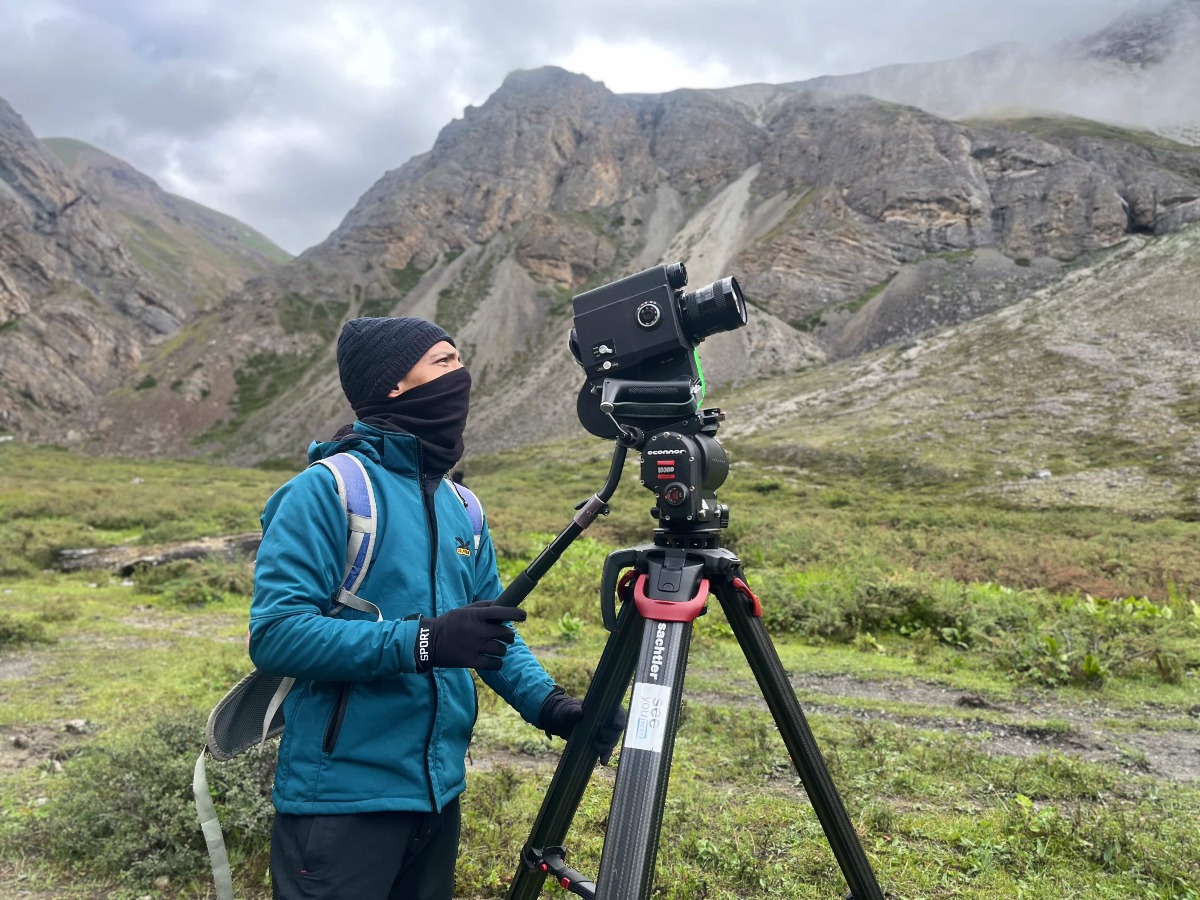
If your shoot must happen between June and September, you do not need another article telling you to avoid Nepal's monsoon.
You need a plan for working through it.
Nepal receives most of its annual rainfall during the June-to-September monsoon. But the rain is not equal across the country. Mustang and Manang sit in the Himalayan rain shadow and are much drier than many locations south of the mountains.
If your dates are still flexible, first read our best time for filming in Nepal guide.
If the dates are fixed, this is what to plan for.
What the monsoon actually does to a film shoot
Roads can close, not just slow down
Heavy rain can trigger landslides and temporary road closures.
For a film crew, the problem is often not a late arrival. It is losing access to the location completely.
Nepal's Department of Roads monitors landslide-related road closures during the monsoon, and current closures can affect important production routes.
Plan for it:
Keep road movements shorter where possible.
Check road conditions before the unit leaves.
Know an alternative route.
Avoid placing your most important shoot immediately after a difficult road transfer.
Keep a buffer after major travel days.
For more detail, see our guide to film transport in Nepal.
Mountain flights can disrupt more than one day
Flights into mountain airports depend heavily on visibility and weather.
The important production risk is that cancellations can build up. If flights are cancelled repeatedly, your crew may not automatically leave on the first flight when the weather improves.
Do not plan:
Morning flight → location arrival → major shoot the same afternoon.
Build time between the flight and the scene you cannot afford to lose.
Cloud can remove the mountains from the shot
Your location may be open. The road may be clear. It may not even be raining.
But the mountain can still be hidden.
During the monsoon, clear Himalayan views are less dependable. That matters if the shot list depends on a specific mountain background.
Separate your shot list into:
Mountain-dependent shots
and
Shots that work without the mountain.
When the mountain appears, shoot the wide views first. If it stays behind cloud, move to people, interiors, details and closer landscape work.
Our weather planning for mountain movie shoots guide covers this in more detail.
Humidity can become an equipment problem
Heavy rain is obvious. Humidity is easier to underestimate.
Repeated exposure to damp air can lead to condensation and slow drying of cameras, lenses, sound equipment and cases.
For a multi-day monsoon shoot, rain protection is not enough. You also need a drying plan.
Carry:
proper camera and sound rain covers;
dry bags or protected cases;
moisture absorbers for equipment cases;
enough clean lens cloths;
spare dry cloths and covers.
Store equipment overnight in the driest secure room available.
Do not pack wet equipment into a sealed case and leave it there.
Rivers and waterfalls change quickly
High water can remove a crossing or make a riverbank location unsafe.
It can also create some of the best monsoon footage.
Waterfalls become stronger. Rivers carry more volume. Mist forms around valleys and hills.
Use those conditions visually, but never build the day's access around an unsafe river crossing.
Check current weather and flood information from Nepal's Department of Hydrology and Meteorology before moving a crew into vulnerable areas. The department publishes forecasts, flood bulletins and weather warnings.
Monsoon filming risk table
Risk | What it can do to the shoot | Production plan |
Landslide or road closure | Blocks access to the next location | Alternative route + travel buffer |
Mountain flight cancellation | Delays crew or equipment | Arrive before the critical shoot day |
Low cloud | Removes Himalayan background | Keep non-mountain shots ready |
Heavy rain | Stops exterior work | Have a usable covered location |
Equipment moisture | Causes condensation or equipment problems | Rain protection + overnight drying |
High rivers | Removes safe access | Alternative approach or location |
Park restrictions | Stops a planned wildlife activity | Confirm access before the shoot day |
Weather risk should also be reflected in transport, equipment and insurance planning. Nepal Film Production's customs clearance and production insurance service covers support with equipment clearance and insurance management for productions in Nepal.
How to schedule a monsoon shoot
Do not take a normal schedule and simply add one rain day at the end. Put flexibility beside the risk.
After a difficult road move: add breathing room.
After a mountain flight: do not schedule your most important scene immediately.
At every base: identify one useful covered location.
For mountain views: shoot them as soon as visibility appears.
For equipment: leave time for wet gear to dry properly.
A good cover location is not somewhere the crew waits. It is somewhere the crew can keep filming.
An interview, interior, workshop, covered market, vehicle scene or detail sequence can save a day that would otherwise be lost.
There is also an upside to filming in the monsoon
The monsoon creates pictures that the dry season cannot.
You can get:
full rivers and waterfalls;
deep green hills and fields;
rice planting and farming activity;
wet streets and reflections;
dramatic moving cloud;
mist through valleys and forests.
Nepal Tourism Board notes that monsoon rain does not fall continuously all day and that rain-shadow regions offer a very different landscape during the same season.
Frequently asked questions
Can we film in Nepal in July?
Yes. July is within the main monsoon period, so your production needs weather, road and location backups from the start. Kathmandu can work with covered alternatives, while rain-shadow areas such as Mustang can be considerably drier.
Will we see the Himalayas during the monsoon?
Possibly, but clear mountain views cannot be treated as guaranteed. If the mountains are essential to the scene, allow time for a visibility window and keep other useful shots ready.
Is it safe to drive from Kathmandu to Pokhara during the monsoon?
The route operates during the monsoon, but landslides and heavy rain can cause delays or temporary closures. Check the Department of Roads before travel and avoid building a critical shooting day around a fixed road-arrival time.
Can we film wildlife during the monsoon?
Yes, but access can change. Some tracks or activities may become unavailable because of rain, flooding or road conditions. Confirm the exact park area and filming access before fixing the schedule.